📋 In This Article
Case Background
In a significant victory for global brand protection in India, Lenovo — the world's leading PC manufacturer — successfully obtained the cancellation of the trademark "THINBOOK" registered by RPD Workstations Private Limited. This case is a landmark precedent reinforcing that phonetic and conceptual similarity to a well-known trademark is sufficient grounds for cancellation under Section 57 of the Trade Marks Act, 1999.
💼 Adv. Nikhil Soni & Co. — 23+ years of exclusive IP practice, 5000+ trademarks filed across India. We personally handle every IPR matter. Book a free consultation →
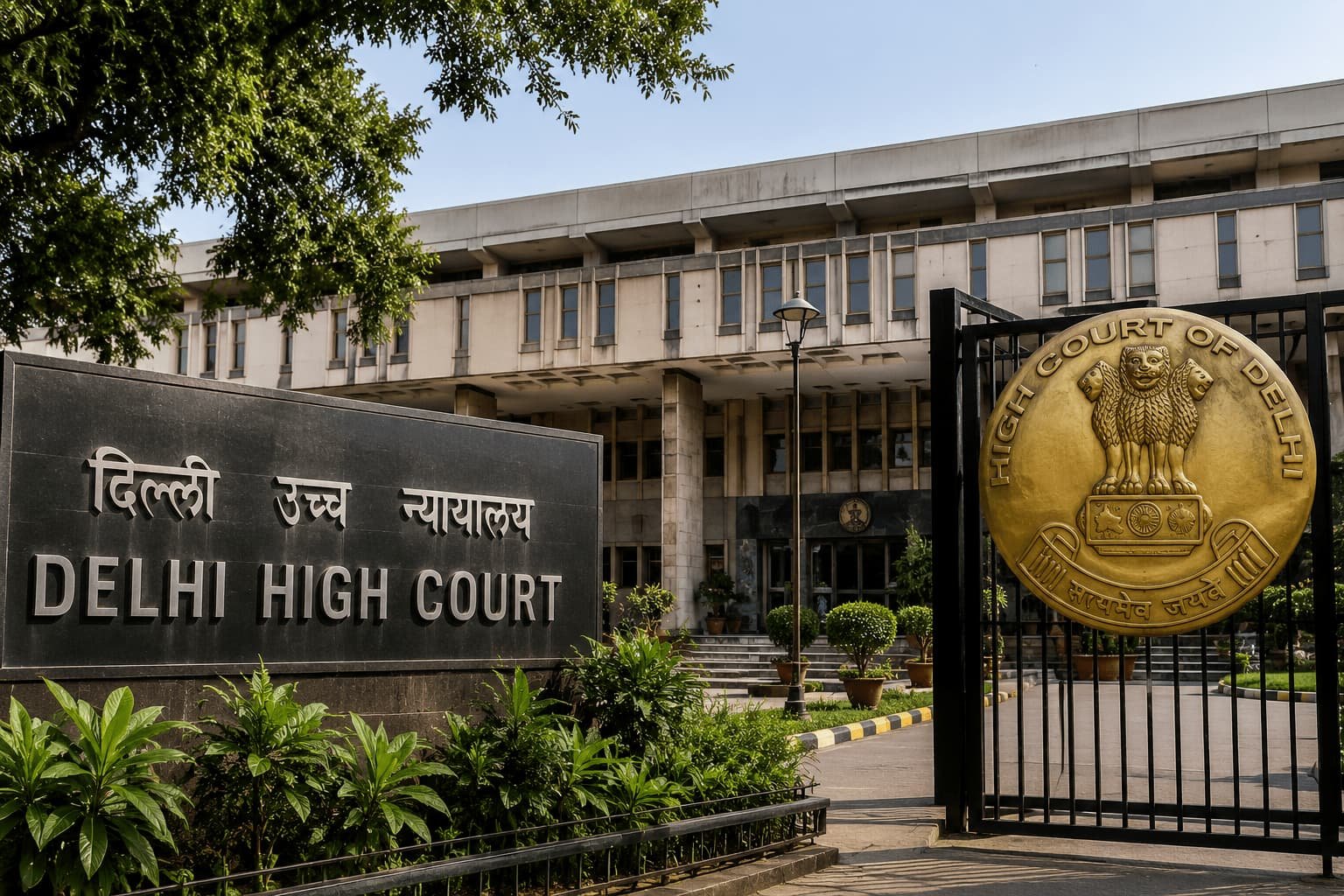
The petition was filed by Lenovo before the Intellectual Property Division of the High Court, asserting that THINBOOK was deceptively similar to its registered family of THINK marks — THINKPAD, THINKBOOK, THINKCENTRE, THINKSTATION and others — which have been in continuous use in India since 1992 and globally since 1920.
Section 57 — Rectification: Any person aggrieved by a trademark wrongly remaining on the register may apply for its rectification or cancellation. This is the primary tool for removing conflicting marks that were erroneously registered by the Trade Marks Registry.
Lenovo's THINK Family of Marks
Lenovo holds an extensive portfolio of registered trademarks in India and globally built around the distinctive prefix "THINK":
- THINKPAD— the iconic laptop brand, in continuous use since 1992 in India
- THINKBOOK— registered trademark for consumer laptops
- THINKCENTRE— desktop computers and workstations
- THINKSTATION— professional workstations
- THINKPAD— globally recognised brand with transborder reputation
These marks were recognised by the court as constituting a THINK Family of Marks — where the THINK element has acquired such distinctiveness through long use and goodwill that any mark incorporating or resembling it risks causing consumer confusion.
The THINBOOK Registration — The Problem
RPD Workstations Private Limited had obtained registration of the trademark "THINBOOK" under Class 9 (laptops and electronic devices) — the exact same class as Lenovo's registered marks. The Registration Number was 3558396.
THINBOOK sounds nearly identical to Lenovo's registered THINKBOOK mark — the only difference being the omission of the letter "K". When spoken aloud, THIN and THINK are phonetically very similar.
The font style and naming structure of THINBOOK imitated Lenovo's THINK brand family naming convention — suggesting deliberate imitation of brand identity.
Both THINBOOK and THINKBOOK relate to the same concept — a thin, lightweight notebook computer — in the same product category for the same consumer segment.
The conflicting mark was registered in Class 9 — directly overlapping with Lenovo's core trademark registrations for laptops and computing devices.
Lenovo's Key Arguments
- Prior adoption and continuous use of THINK marks since 1992 in India and 1920 globally — establishing prior rights
- THINBOOK was phonetically, visually and conceptually deceptively similar to THINKBOOK registered in the same class
- The mark could be mistaken by the public as an extension of Lenovo's THINK brand family
- RPD Workstations showed malafide intention by imitating the font style and naming structure of the THINK brand
- The Trade Marks Registry failed to apply due diligenceresulting in the erroneous registration of THINBOOK
- Lenovo's THINK marks qualify as wellknown trademarks under Section 2(1)(zg) — entitled to enhanced protection across all classes
Court's Findings and Order
The Intellectual Property Division of the High Court found in Lenovo's favour on all material grounds:
- Phonetic and conceptual similarity between THINK and THIN was deemed sufficiently deceptive to cause consumer confusion
- Lenovo's global standing and strong goodwill meant that allowing THINBOOK to remain on the register would cause commercial injury and misrepresentation
- RPD Workstations failed to appear in court despite being duly served — the matter was decided ex-parte, which further strengthened Lenovo's case
- The court directed cancellation and removal of THINBOOK (Reg. No. 3558396, Class 9) from the Trade Marks Register
- The Trade Marks Registry was ordered to effect the removal within four weeks
Key Lessons for Brand Owners
The Lenovo vs RPD case offers critical takeaways for all trademark owners in India:
- Monitor the TM Journal:Subscribe to trademark watching services — conflicting marks should be identified and challenged during the 120-day opposition window, before registration is granted
- Phonetic similarity is actionable:You do not need exact copying — similar-sounding marks in the same class are sufficient grounds for opposition and rectification
- Transborder reputation matters:Foreign companies with global trademark recognition can enforce their rights in India even if their products are not actively marketed here
- Family of marks protection:Establishing a distinctive prefix or suffix that forms a family of marks provides broader protection against imitative marks
- Act promptly:Delay in filing opposition or rectification weakens your position — act as soon as a conflicting mark is identified
- Section 57 is powerful:Even after registration is granted, a conflicting mark can be cancelled through a rectification petition under Section 57
Frequently Asked Questions
What is Section 57 of the Trade Marks Act, 1999?
Section 57 of the Trade Marks Act, 1999 empowers any aggrieved person to apply to the Registrar or the Intellectual Property Division of the High Court for rectification or cancellation of a registered trademark. Grounds include wrongful registration, the mark being likely to deceive or cause confusion, the mark being contrary to law, or the mark no longer qualifying for registration. This is the primary remedy for removing conflicting marks from the register even after they have been granted registration.
What is a well-known trademark in India?
A well-known trademark under Section 2(1)(zg) of the Trade Marks Act, 1999 is a mark that has become so widely known to the relevant public in India that use of an identical or similar mark on any goods or services would indicate a connection with the owner of the well-known mark. Well-known marks receive enhanced protection across all 45 classes — meaning they are protected even outside the classes in which they are registered. Lenovo's THINK marks were recognised as well-known in this case.
What is phonetic similarity in Indian trademark law?
Phonetic similarity refers to marks that sound similar when spoken aloud — even if they are spelled differently or look visually distinct. In Indian trademark law, phonetic similarity alone can be sufficient grounds for opposition during the journal publication period or for rectification after registration, if the marks are likely to cause confusion among consumers. The Supreme Court in Amritdhara Pharmacy v. Satya Deo Gupta established that similar-sounding marks can cause consumer deception, particularly among those with imperfect recollection.
What is an ex-parte trademark proceeding?
An ex-parte proceeding occurs when the respondent — despite being duly served with notice — fails to appear or file a written statement in the proceedings. The case is then decided solely on the basis of the petitioner's evidence and arguments, without hearing the other side. In the Lenovo vs RPD case, RPD Workstations failed to appear in court after being duly served, which was noted by the court as further strengthening Lenovo's case and position.
What key lesson does the Lenovo vs RPD case teach brand owners?
The key lessons are: monitor the Trade Marks Journal for conflicting applications and file opposition within the 120-day window; phonetic and conceptual similarity — not just visual or exact identity — is sufficient to cancel a conflicting trademark; transborder reputation of global brands is recognised and protected in India; establishing a family of marks around a distinctive element provides broader protection; and even after a conflicting mark is registered, it can be cancelled through a Section 57 rectification petition filed before the High Court.
Official Resource: For authoritative information, visit Trade Marks Registry, IP India.