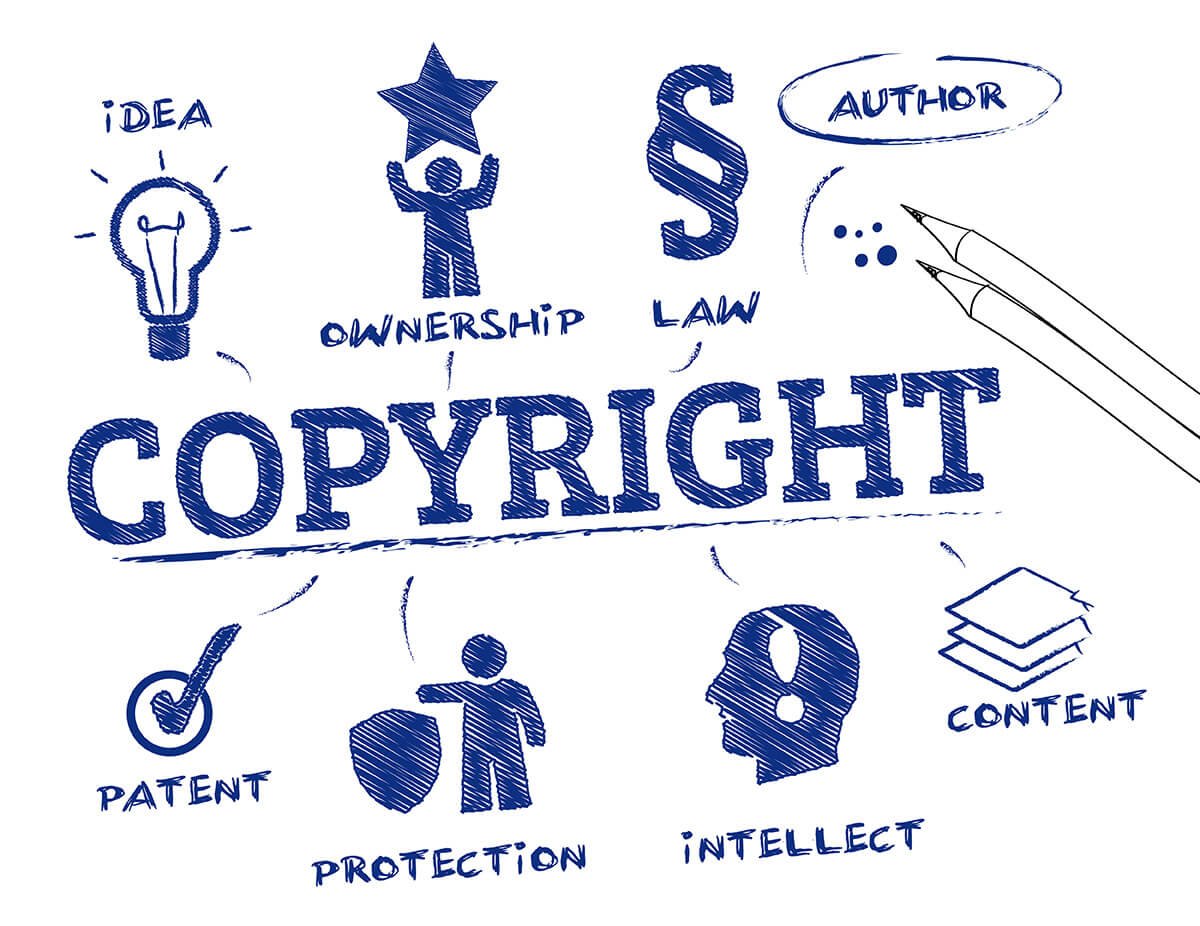
India has one of the fastest-growing creator economies in the world. Millions of Indians produce original content daily — reels, vlogs, tutorials, reviews, short films, and more — across Instagram, YouTube, and other platforms. Yet most creators have a dangerously incomplete understanding of their copyright rights: specifically, what they own, when it is infringed, and what they can do about it under Indian law.
Your Content Is Automatically Protected
Under the Copyright Act, 1957, copyright in an original creative work arises automatically at the moment of creation — there is no requirement to register the work, apply to any authority, or even display a copyright notice (though the © symbol is still useful as a warning). Original literary, dramatic, musical, and artistic works — and cinematographic films and sound recordings — are all protected.
What this means for a content creator: the moment you publish an original video on YouTube or post an original photograph on Instagram, you own the copyright. The copyright covers:
- The video content itself (a cinematographic work)
- The audio track you recorded (a sound recording)
- The script or voiceover (a literary work)
- The thumbnail or cover image (an artistic work)
- Any original music you created for the video (a musical work)
The duration of copyright protection for cinematographic films and sound recordings is 60 years from the year of publication. For literary, artistic, and musical works, protection lasts for the author's lifetime plus 60 years.
What Counts as Copyright Infringement
Copyright infringement occurs when a person does any of the acts restricted to the copyright owner — without the owner's consent and without a legally recognised exception. Common forms of infringement affecting Indian creators include:
- A brand or another creator re-uploading your video without permission — even with credit
- A business using your photographs or illustrations in their advertising campaigns without a licence
- Someone ripping your audio track and using it in their own video
- A news channel or media outlet broadcasting a clip from your video without permission (fair dealing in India covers news reporting, but only to the extent justified)
- Reposting your Instagram posts to another account — especially for commercial purposes
Credit is not a licence. Tagging you or mentioning your name does not give someone the right to use your copyrighted work. Permission must be explicit — either through a written licence or a clear statement on your channel permitting reuse.
⚠️ Fair dealing in India: The Copyright Act provides limited exceptions for fair dealing — for purposes of private study, research, criticism, review, and news reporting. A review or commentary that quotes a short clip may qualify as fair dealing. However, commercial use, reproduction of a substantial portion, or use that adversely affects the market for the original will generally not qualify.
Platform Takedown Tools: DMCA and Content ID
The fastest response to copyright infringement online is usually a platform takedown — a formal notice to the platform (YouTube, Instagram/Meta, Twitter/X) to remove the infringing content. In India, this works through two mechanisms:
- DMCA Takedown Notice: Although the Digital Millennium Copyright Act (DMCA) is a US law, all major platforms have adopted its takedown procedure globally. You file a copyright infringement notice directly through the platform's reporting tools, providing details of the original work, the infringing URL, and your identity. Platforms typically respond within 24-72 hours by removing or restricting the content.
- YouTube Content ID: YouTube's Content ID system allows rights holders with large volumes of content to have their uploaded videos automatically matched against new uploads. When a match is found, the rights holder can monetise, track, or block the infringing video. Access to Content ID is currently limited to eligible partners — not all individual creators qualify, but content distributors and MCNs can apply on behalf of creators.
- Indian IT Act complaints: Under the Information Technology (Intermediary Guidelines and Digital Media Ethics Code) Rules, 2021, platforms are obligated to act on copyright infringement complaints from Indian users and must resolve them within defined timelines.
Sending a Cease and Desist Notice
If the infringer is identifiable — such as a brand that has used your images in an advertisement, or another creator who has re-uploaded your video — a cease and desist (C&D) notice is the appropriate first step before litigation. A properly drafted C&D notice:
- Identifies the copyrighted work and the act of infringement precisely
- Asserts your ownership of the copyright and the absence of any licence or permission
- Demands immediate removal of the infringing content and cessation of further use
- States the legal consequences of non-compliance — civil suit for injunction and damages, criminal complaint
- Sets a deadline for compliance (typically 7-14 days)
Many infringers — particularly brands that may have made an error of judgment — will comply with a C&D notice without the need for court proceedings. Where they do not, the notice serves as important evidence that you acted promptly and gave the infringer an opportunity to remedy the breach.
Taking Legal Action in India
If takedown requests and cease and desist notices do not resolve the infringement, legal action is available under the Copyright Act:
- Civil remedy: File a suit in the District Court or High Court for an injunction restraining further infringement, delivery of infringing copies, and damages (or account of profits). Courts can grant emergency interim injunctions very quickly — within days — where the case is urgent and the infringement is clear.
- Criminal complaint (Section 63): Copyright infringement in India is a criminal offence. Section 63 prescribes imprisonment of six months to three years and a fine of ₹50,000 to ₹2 lakh. File an FIR with the police or a complaint with the Magistrate's Court.
- Anton Piller orders: In cases where there is a risk of evidence being destroyed, courts can grant search orders (analogous to the Anton Piller order in common law) to seize infringing materials before the infringer is notified.
Music Licensing: The Creator's Biggest Risk
The most common copyright mistake Indian creators make is using commercially released music in their videos without a licence. This applies even if the video is non-commercial, even if you paid for the song, and even if you credit the artist. Using a song without a licence — on YouTube or Instagram — exposes you to Content ID claims, video monetisation strikes, and in serious cases, legal action by music publishers or collecting societies like PPL India or IPRS.
Safe options for music in your videos include: YouTube Audio Library (royalty-free), platforms like Epidemic Sound or Artlist (subscription-based licences), Creative Commons-licensed music (always check the specific licence terms), and original compositions. Many Indian platforms also offer integrated licensed music libraries for Reels and Shorts — use these in preference to independently uploaded commercial tracks.
Why Register Your Copyright
While copyright arises automatically, registration with the Copyright Office is strongly recommended for serious creators. A copyright registration certificate creates a legal presumption that the registered person is the owner of the copyright — this presumption is invaluable in disputes where another party claims to be the original creator. Registration also enables you to take legal action more efficiently and is often required by licensing partners and brands who want to verify your ownership before paying for content usage.
Conclusion
Indian content creators have strong legal rights — rights that arise automatically and persist for decades. The key is knowing when those rights are being infringed and acting promptly through the appropriate channel: platform takedown, cease and desist, or court action. Whether you are a solo creator, an influencer, or a media production company, understanding and enforcing your copyright is as important as creating the content in the first place.
Register your copyright through Nikhil Soni & Co. → or read our guide on copyright for reels and social media.
Has your content been used without your permission?
Adv. Nikhil Soni helps creators and media businesses protect their copyright — from takedown notices to High Court injunctions. Act quickly — delays can cost you your case.