
Table of Contents
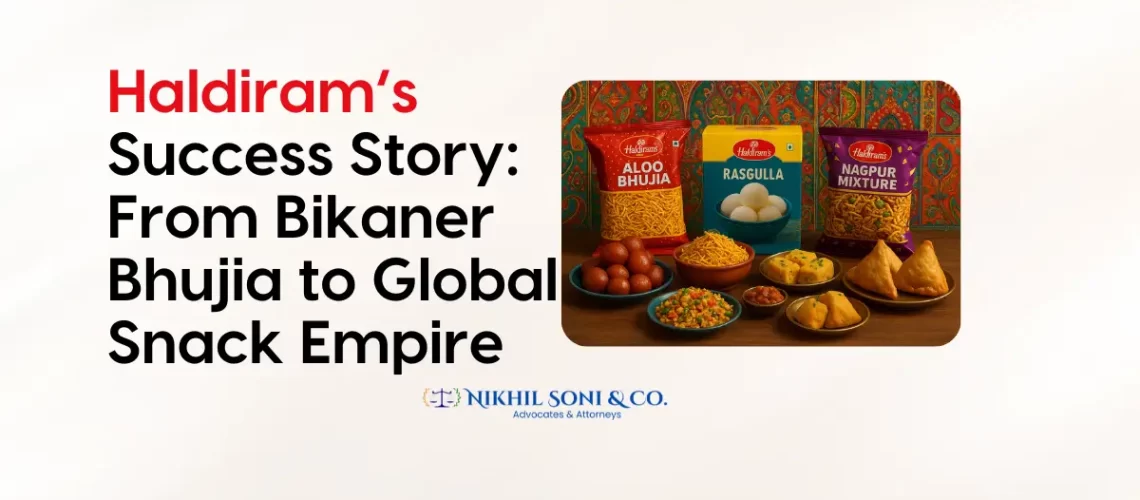
ToggleHaldiram Success Story From Bikaner Bhujia to Global Snack Empire
When you think of Indian snacks, one name stands tall—Haldiram’s. From its modest roots in 1937 in Bikaner, Rajasthan, to becoming one of the largest snack brands in India and beyond, Haldiram’s journey is a remarkable tale of tradition, innovation, and entrepreneurial excellence.
Humble Beginnings in Bikaner
The story began when Ganga Bishan Agarwal, lovingly known as Haldiram, reinvented the classic Bikaneri Bhujia by using moth dal instead of the usual ingredients. This gave the snack a crispier texture, and the innovation, originally called Dungar Sev, quickly became popular among locals. What started as a small offering in his father’s shop soon became the foundation for an empire.
Rise Through the Generations
By the 1950s, Haldiram had expanded operations to Kolkata, recognizing its commercial potential. In the 1960s, his sons Rameshwar Lal and Satyanarayan joined the business, further fueling its growth. Over time, the family branched out:
- Nagpur (1980s): Led by Shiv Kishan Agarwal, this unit diversified into sweets and opened restaurants.
- Delhi (1984): Manoharlal and Madhusudan expanded aggressively, launching outlets near transport hubs.
- Bikaner: Shiv Ratan Agarwal founded Bikaji, which later became a public company in 2023.
Each division operates independently today, but together they maintain Haldiram’s towering presence in the Indian snack market.
Financial Footprint and Market Leadership
As of 2022, the Delhi unit topped the revenue charts with ₹5,000 crore, followed by Nagpur at ₹4,000 crore and Bikaner at ₹1,600 crore. Combined, Haldiram’s controls over 60% of India’s organized ethnic snack market, competing with brands like Balaji Wafers, Bikaji, Bikanervala, and global players such as PepsiCo and ITC.
Its product range includes everything from namkeen, sweets, chips, frozen foods, and ready-to-eat meals. With a distribution network across 300 cities in India and exports to over 80 countries, Haldiram’s has become a global ambassador for Indian flavors.
The Entrepreneurial Vision of Prabhu Dayal Agrawal
Much of Haldiram’s success, particularly under the Nagpur unit, is credited to the vision of Prabhu Dayal Agrawal. Coming from a Marwari background, Agrawal was driven by the values of hard work, thrift, and entrepreneurship. Faced with financial struggles, he dropped out of school early and took charge of the family business.
Agrawal’s strategy was simple yet effective: offer high-quality, hygienically prepared snacks at affordable prices. He insisted on using premium ingredients, adopted modern manufacturing techniques, and kept a close eye on consumer trends. This not only set Haldiram apart from its competitors but also laid a strong foundation for national and international expansion.
Emotional Connect and Cultural Relevance
What truly sets Haldiram’s apart is its deep cultural connection with Indian consumers. For many families, Haldiram is a part of celebrations, travel snacks, and nostalgic moments. Whether it’s the crunchy aloo bhujia, sweet gulab jamuns, or spicy chaat platters, the brand offers something for every palate and every occasion.
While multinational chains like Domino’s and Burger King focus on fast food, Haldiram has carved a niche in Indian comfort food, both in packaged and restaurant formats. In fact, its revenue in India has surpassed that of Domino’s and Burger King combined—a testament to its widespread appeal.
New Frontiers: Entry into Premium Chocolates
In December 2023, Haldiram’s Nagpur made headlines by launching Cocobay, a premium chocolate brand aimed at capturing a share of India’s rapidly growing luxury chocolate segment. The product line includes Premium Bars, Rochers, Chocolate Cigars, and Buttons, priced competitively starting at ₹150.
Available initially in major cities like Mumbai, Hyderabad, Bangalore, and Chennai, Cocobay targets a segment currently dominated by giants such as Mondelez (Cadbury), Nestlé, and Ferrero. With the Indian chocolate market projected to grow from $3.8 billion in 2023 to $9.2 billion by 2032, Haldiram’s sees Cocobay as a strategic move to diversify and remain relevant in changing consumer landscapes.
Why Haldiram’s is a Marketing Masterclass
Here’s what makes Haldiram’s a case study in smart business strategy:
- Understanding Local Tastes: Haldiram never strayed from its Indian roots, delivering flavors that resonate with local preferences.
- Affordable Pricing: Despite premium quality, products remain accessible to the masses.
- Multi-Segment Appeal: From ₹10 namkeen packets to full-course meals in dine-in restaurants, the brand caters to all income groups.
- Modern Yet Traditional: Adoption of technology in packaging and manufacturing hasn’t diluted the authenticity of its offerings.
- Family-Oriented Restaurants: Unlike most fast-food chains, Haldiram’s outlets offer wholesome Indian meals in a clean, family-friendly environment.
Key Takeaways for Aspiring Entrepreneurs
Haldiram’s journey offers valuable lessons for new business owners:
- Start Small, Think Big: A tiny shop in Bikaner eventually outperformed global giants.
- Quality Over Everything: Consistent product quality built long-term customer trust.
- Adapt and Innovate: From namkeen to chocolates, Haldiram has consistently evolved.
- Know Your Audience: Deep insights into customer behavior helped tailor offerings across regions and price points.
What’s Next for Haldiram?
With increasing demand for plant-based snacks, fusion foods, and health-conscious alternatives, Haldiram is experimenting with newer product lines to stay ahead of the curve. Its next chapter may include global partnerships, digital transformation, and further expansion into new verticals.
Intellectual Properties involved in Haldiram’s Business
1. Trademark Protection
- Brand Name & Logo: Haldiram’s is a registered trademark, offering legal protection against unauthorized use of its name, logo, and distinctive red-and-yellow packaging.
- Product Names: Specific snack names like Aloo Bhujia, Nagpur Mixture, and Cocobay (for chocolates) may also be trademarked to preserve brand uniqueness and prevent copycat products.
2. Geographical Indications (GI)
- Bikaneri Bhujia: This iconic snack has Geographical Indication (GI) status due to its traditional production methods specific to Bikaner, Rajasthan. Although Haldiram helped popularize it, the GI tag is collectively held and cannot be monopolized by one company.
3. Trade Dress Protection
- Packaging Style: The overall look and feel of Haldiram’s product packaging — including color schemes, font style, and layout — can be protected under trade dress laws if it becomes closely associated with the brand in consumers’ minds.
4. Copyright
- Marketing Content: Haldiram’s brochures, advertisements, product catalogs, and website content are protected under copyright law as original literary and artistic works.
- Digital Campaigns: Creative elements like jingles, animations, and promotional videos fall under copyright protection.
5. Trade Secrets
- Recipe Formulations: The specific recipes for items like Bhujia, Rasgulla, and Cocobay chocolates are protected as trade secrets, giving them a competitive advantage.
- Production Processes: Proprietary methods of mass production, quality control, and preservation techniques are also safeguarded as confidential information.
6. Patent Possibilities (Though Rare in Food Industry)
- While patents are uncommon in food unless involving a novel process or machinery, Haldiram’s could potentially patent:
- Unique chocolate-making techniques for Cocobay.
- Packaging innovations or preservation methods that extend shelf life without preservatives.
7. Franchise and Licensing Agreements
- Haldiram’s operates through independent units (Delhi, Nagpur, Kolkata). Trademarks and product rights are likely managed through internal licensing or franchise agreements, which include IP usage terms and geographic rights.
8. International IP Compliance
- Since Haldiram’s exports to over 80 countries, it must ensure:
- Trademark registration in key foreign markets.
- Compliance with local food labeling laws, which may intersect with IP rights.
- Protection against international counterfeiters and parallel imports.
Read Further: PhonePe and BharatPe Trademark Dispute — “Pe”/Pay-as-you-go
Conclusion
From a modest shop in Bikaner to a global food phenomenon, Haldiram’s is more than just a brand—it’s a symbol of Indian entrepreneurship and culinary excellence. Rooted in tradition yet driven by innovation, Haldiram’s proves that when you stay true to your values while embracing change, success naturally follows.
Whether you’re munching on a spicy Bhujia, sipping a sweet lassi, or trying their new premium chocolates, you’re not just enjoying a snack—you’re tasting a slice of India’s rich cultural legacy.
Haldiram Success Story From Bikaner Bhujia to Global Snack Empire, Haldiram Success Story From Bikaner Bhujia to Global Snack Empire, Haldiram Success Story From Bikaner Bhujia to Global Snack Empire, Haldiram Success Story From Bikaner Bhujia to Global Snack Empire, Haldiram Success Story From Bikaner Bhujia to Global Snack Empire, Haldiram Success Story From Bikaner Bhujia to Global Snack Empire, Haldiram Success Story From Bikaner Bhujia to Global Snack Empire, Haldiram Success Story From Bikaner Bhujia to Global Snack Empire, Haldiram Success Story From Bikaner Bhujia to Global Snack Empire, Haldiram Success Story From Bikaner Bhujia to Global Snack Empire